
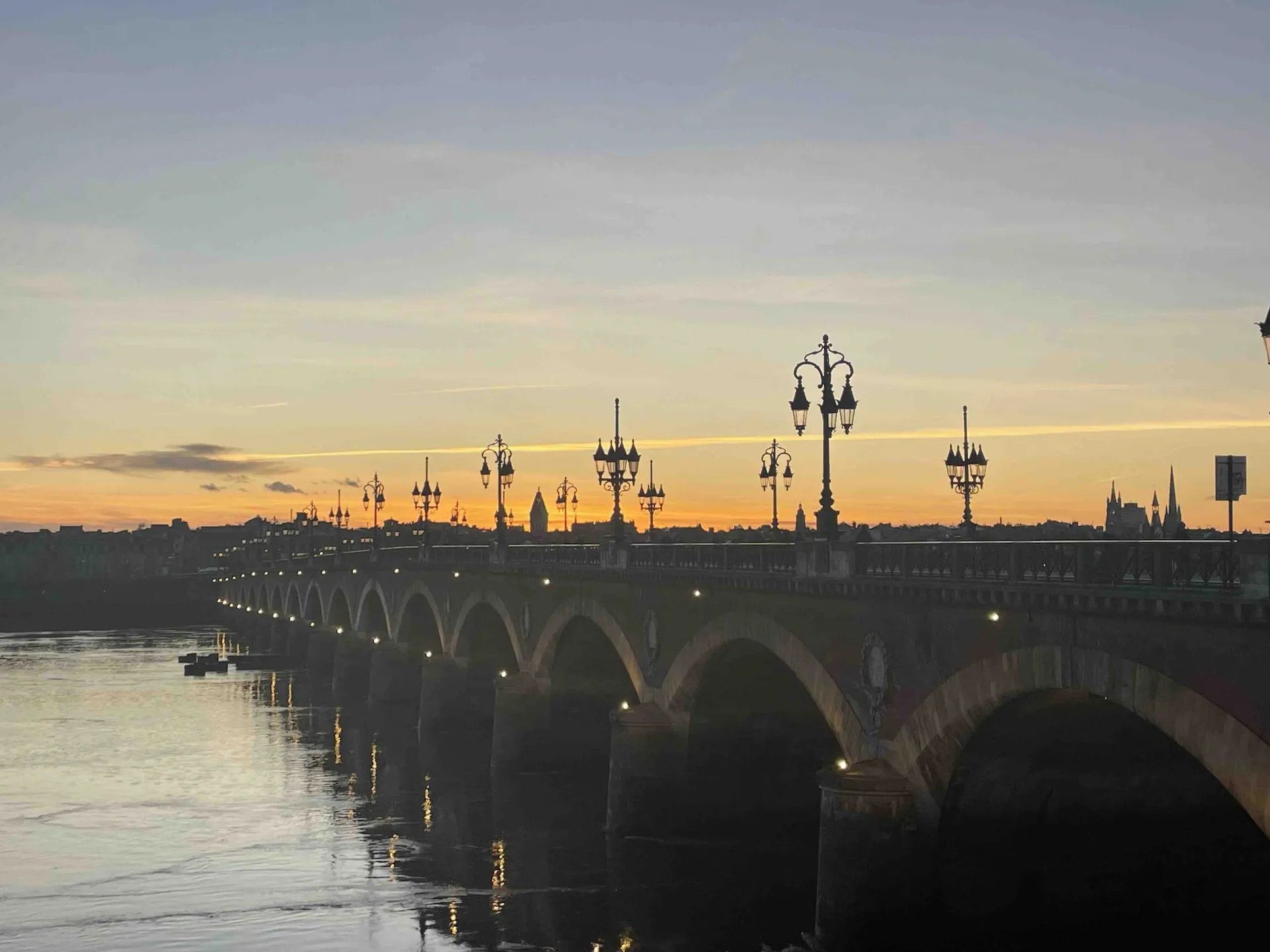
Bordeaux Wine Tours with a Private Driver
24H/24 et 7J/7




Visiting the Bordeaux vineyards without giving up on tastings is precisely why booking a private driver for a wine tourism day makes so much sense. With over 110,000 hectares of vines spread across six major wine regions and nearly 60 AOCs, Bordeaux offers a diversity few wine tourism destinations can match. The challenge is making the most of it — without watching the clock or having to spit out every wine.
Why hire a private driver in Gironde
Driving after two or three tastings is reckless. France’s legal limit of 0.5 g/L of blood alcohol is reached quickly, even for experienced drinkers. Hiring a driver is first and foremost a matter of common sense — and incidentally, a real comfort upgrade.
Bordeaux châteaux are rarely next door to one another. Between two estates, expect twenty to forty minutes on country roads that aren’t always easy to navigate for first-time visitors. Is a GPS enough? On paper, yes. In reality, much less so. Estate entrances can be discreet, gates closed, and château names sometimes confusingly similar. A driver who knows the properties saves you time and avoids unnecessary detours.
Add to that the freedom of not having to think about parking, carrying cases of wine, or coordinating between several visits. You get in, you get out, you taste, you talk. The rest takes care of itself. For visitors only in town for a few days, a guided circuit covers the essentials without wasting time on logistic.
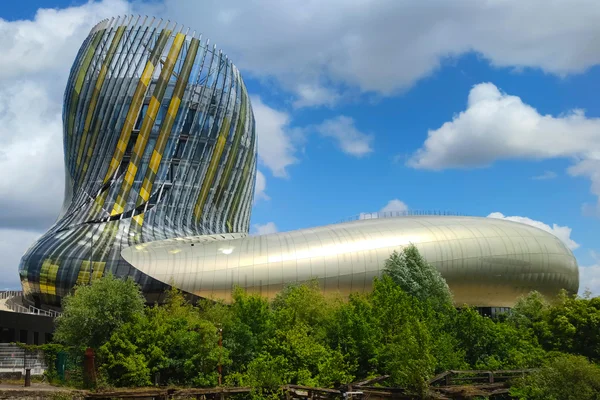
Six wine regions, six personalities
Bordeaux is far more than a single prestigious appellation. Six major areas span the left and right banks of the Garonne and Dordogne rivers, each with its own terroir, dominant grape varieties, and wine style.
Médoc and Haut-Médoc — the classic Left Bank
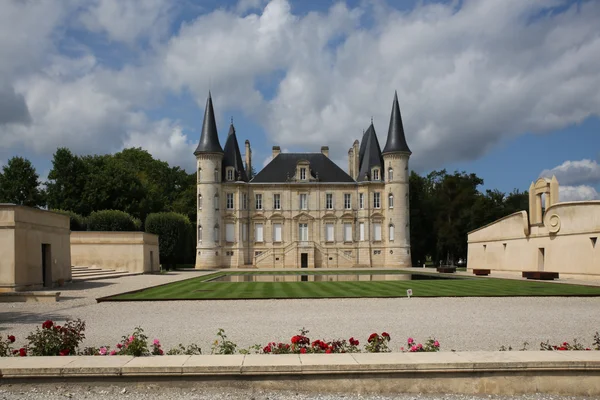
North of Bordeaux, the Médoc peninsula is home to some of the most famous classified growths in the world. Cabernet Sauvignon dominates, producing structured, long-ageing wines with serious cellaring potential across multiple vintages. The châteaux themselves often look like aristocratic estates. Each property cultivates its own style, from First Growths to lesser-known family cellars. For a deeper dive into this region, see our page dedicated to the Médoc’s Route des Châteaux.
Saint-Émilion and Pomerol — the prestigious Right Bank
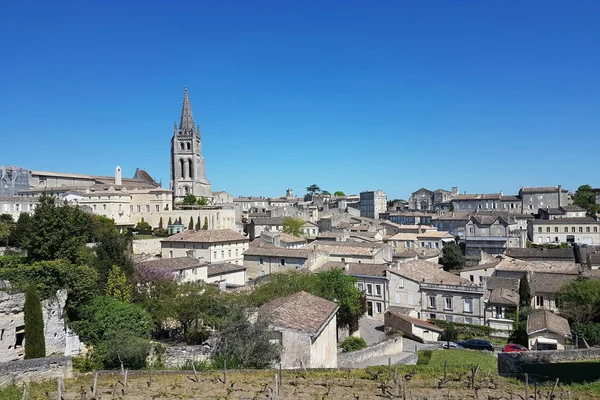
To the east, on clay-limestone soils, Merlot expresses itself in round, velvety wines. The medieval village of Saint-Émilion, a UNESCO World Heritage Site, is a must-see in its own right. Full details on our Saint-Émilion and Pomerol Wine Tourism page.
Pessac-Léognan — at the southern gates of Bordeaux
Just south of the city, Pessac-Léognan produces elegant reds and whites, including some of the oldest wines in the Bordeaux region. More information on our Pessac-Léognan Wine Tourism page.
Pessac-Léognan — at the southern gates of Bordeaux
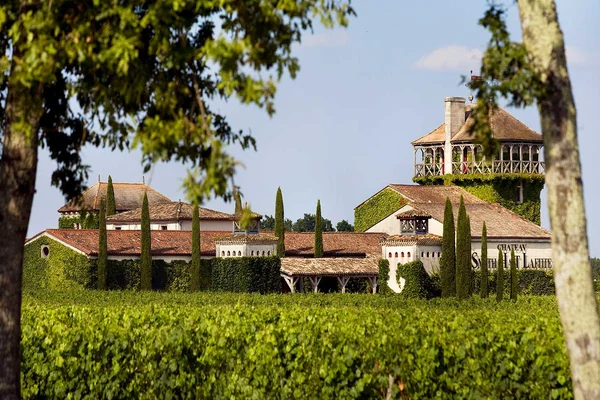
Just south of the city, Pessac-Léognan produces elegant reds and whites, including some of the oldest wines in the Bordeaux region. More information on our Pessac-Léognan Wine Tourism page.
Sauternes and Barsac — Bordeaux’s liquid gold
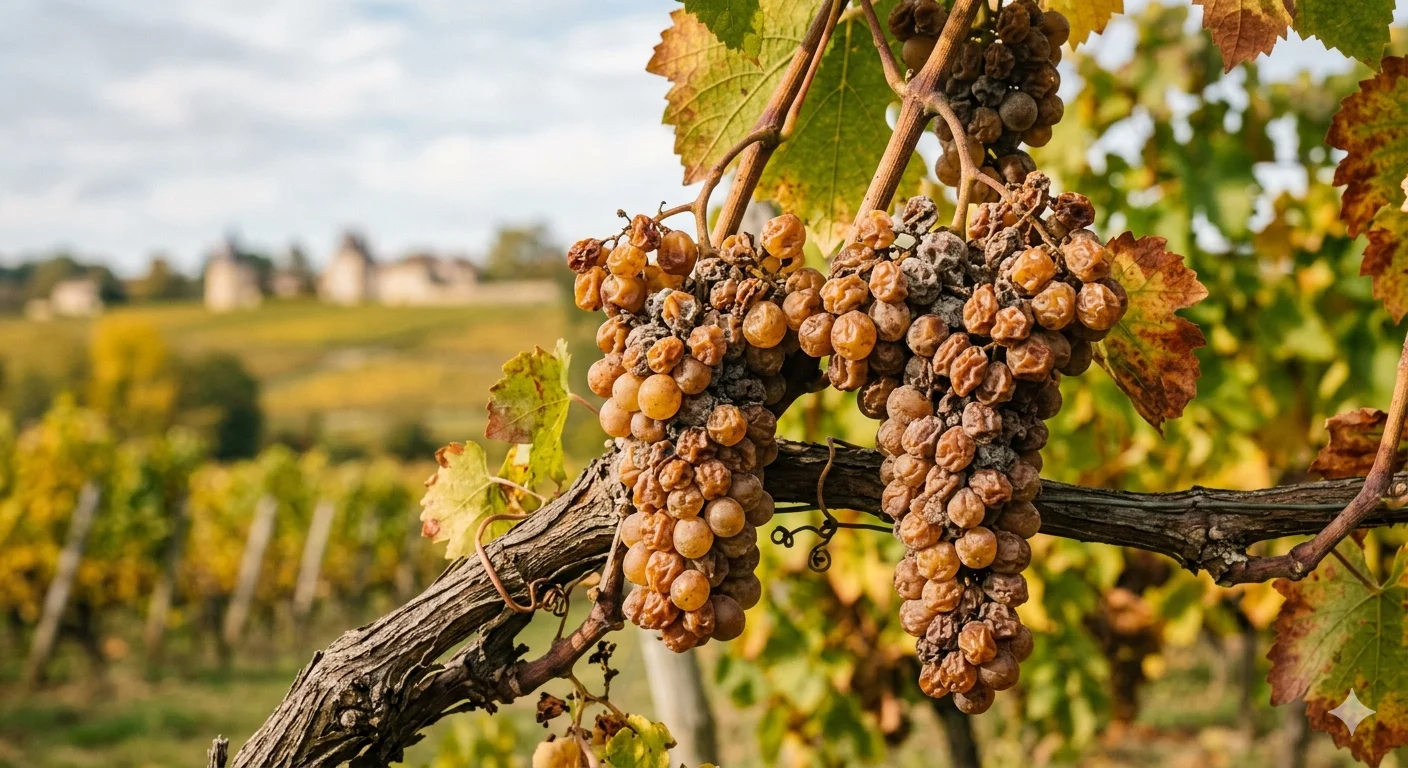
Southeast of Bordeaux, between the Ciron and Garonne rivers, a misty microclimate encourages the development of botrytis cinerea — the famed noble rot. This is where the world’s most celebrated sweet wines are born, led by Château d’Yquem, the only Premier Cru Supérieur in the 1855 classification.
A visit here is very different from a tour of the Médoc. Harvests stretch over several weeks in autumn, with pickers going through the vines multiple times, berry by berry. The cellars are perfumed by ageing wines, and tastings — shorter than elsewhere — require a fresh palate: stringing together five Sauternes in a morning is no easy feat.
Many visitors slot Sauternes into the middle of the day, after a Graves château or before a lunch stop nearby. Château Guiraud, Château Suduiraut, Château de Rayne-Vigneau, and Château La Tour Blanche are among the properties that welcome visitors under excellent conditions.
Graves — the historic cradle of the Bordeaux vineyards
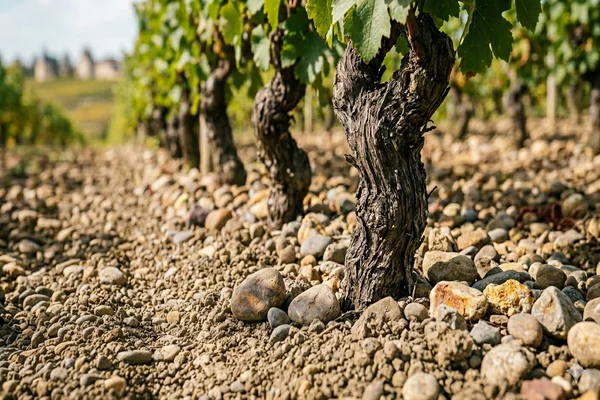
Stretching south from Pessac-Léognan, the Graves region takes its name from its gravelly soils. It produces supple reds and aromatic whites, often at more accessible prices than its prestigious neighbours. For first-time tasters or anyone hunting for value, the Graves remain a smart choice. Communal appellations such as Cérons round out the regional offering.
Entre-deux-Mers — Bordeaux on a human scale
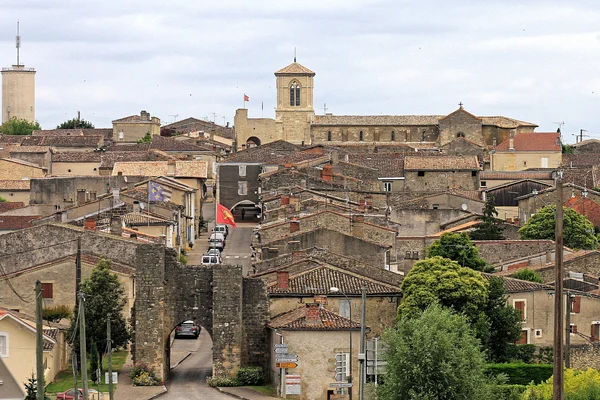
Wedged between the Garonne and the Dordogne, the Entre-deux-Mers is the largest Bordeaux wine region by area. It’s also the most rural, the most hilly, and the most affordable. Dry whites dominate, but reds under the Bordeaux and Bordeaux Supérieur appellations are also produced here.
For travellers who want to step off the beaten path, meet independent winemakers, or stick to a reasonable budget, the Entre-deux-Mers is often a pleasant surprise. The abbeys (La Sauve-Majeure), bastide towns (Sauveterre-de-Guyenne, Créon), and rolling landscapes add a heritage dimension that nicely rounds out the day.
Côtes de Bourg, Blaye, and Castillon — the Right Bank worth discovering
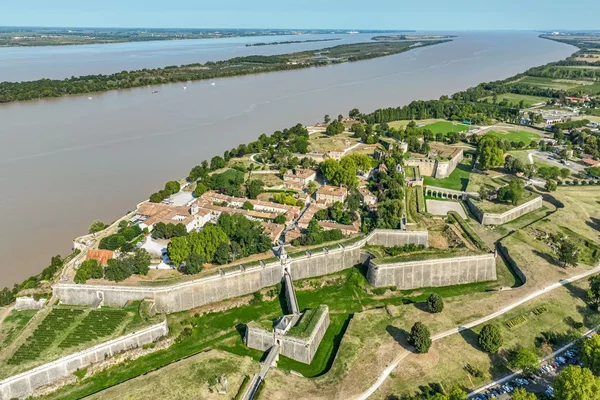
Less covered by the media, these Right Bank appellations offer solid reds, often Merlot-led. The Côtes de Bourg, overlooking the Gironde estuary, also reward visitors with spectacular views over the water. Blaye, with its UNESCO-listed Vauban citadel, combines wine and military heritage. Castillon, neighbouring Saint-Émilion, shares similar terroirs at more modest prices. Fronsac, west of Libourne, completes the mosaic with characterful wines grown on clay-limestone soils.
A service designed for wine tourism
Wine tourism by private car isn’t just about booking a ride from point A to point B. It’s a service that requires preparation and genuine knowledge of the territory..
A day built around you
Every itinerary is planned in advance. Before departure, we discuss your preferences: wine styles, level of oenological knowledge, châteaux already visited, tasting budget, dietary restrictions for lunch. Some visitors want to see three Grands Crus Classés in one day, while others prefer two family-run estates with a chance to meet the winemaker. Seasoned wine enthusiasts often request vertical tastings across multiple vintages; newcomers tend to favor a more educational visit. There’s no standard tour — just a tailor-made experience.
A hybrid Lexus RX 450h
The vehicle used is a Lexus RX 450h, a comfortable hybrid SUV that accommodates four passengers and their luggage. It features automatic climate control, leather seats, and a quiet interior. On the narrow roads of the Médoc or the vineyard lanes of Saint-Émilion, its hybrid powertrain delivers a smoother driving experience and a reduced carbon footprint compared to conventional petrol SUVs. Mineral water, sweets, and USB chargers are available on board
For larger groups, we also offer minibus solutions in partnership with licensed local operators.
Bilingual service (French & English)
A significant share of our wine tourism clientele comes from abroad: the United States, the United Kingdom, Australia, Belgium, the Netherlands, the Scandinavian countries, and Asia. Tours are conducted in French or English depending on the client’s preference. Informal translation of the cellar master’s explanations, cultural context on the Bordeaux classifications, advice on international wine shipping — these are the small services that make all the difference for an international visitor.
Tips for making the most of your day
A handful of common-sense tips will make your wine tour day far smoother.
Limit the number of châteaux. Three well-paced visits are worth far more than five rushed through at breakneck speed. Plan for an average of two hours per estate, lunch factored into the timing.
Don’t skip a proper lunch. Several vineyard restaurants offer terroir cooking built around tasting: La Table de Pavie in Saint-Émilion, Auberge de Savoie in Margaux, La Table du Lavoir in Martillac. And when the weather is kind, a picnic on the grounds of certain châteaux is a real pleasure.
Respect the pace of each estate. The most prestigious châteaux follow a precise protocol. Family-run properties are more relaxed, but expect a little curiosity and conversation in return. A good visit is almost always one where the guest asks questions.
And don’t shy away from the spittoon. Far from being impolite, spitting is expected at any serious tasting. Professionals do it systematically — it’s the only way to taste a dozen wines across three estates and still have a functioning palate by mid-afternoon.
Wine tour rates at a glance
Our Wine Tour rates depend on the length of the day, the size of your group, and the estates you’d like to visit. Get in touch for a tailored quote or book directly online.
| Package | From* |
| Half-day (4 hours) | 280€ |
| Full day (8 hours) | 560€ |
| Premium tour (with guide) | Upon request |
Indicative prices for 1 to 4 passengers. Contact us for groups or bespoke options.
* The rates shown cover the transport service only. Château entry fees, wine tastings, and restaurant meals are not included and remain at the client’s expense.
About REGIS DRIVE
The driver behind your wine tour day.
REGIS DRIVE is a licensed VTC based in Talence, just south of Bordeaux. Founded by Régis — your driver — the service was built around a simple conviction: that the journey between châteaux matters as much as the tastings themselves.
A wine tour day with REGIS DRIVE is something I plan personally with you. We talk about the wines you already enjoy, the level of formality you want, the pace that suits your group, and the lunch stop that ties the day together. I know which estates welcome casual visitors and which require formal appointments, which roads are scenic and which to avoid during harvest traffic, and which restaurants take wine seriously enough to host a tasting-driven lunch.
The cabin is a Lexus RX 450h hybrid — quiet, comfortable, and ideal for a long day on country roads. Leather seats, climate control, bottled water on board. For groups of five to seven, we work with trusted partner drivers operating 7-seater vans under the same standards.
What you can expect: fixed transparent pricing, English-speaking commentary on request, real-time coordination with the châteaux you visit, and the kind of attention that turns a wine tour into a memory rather than a logistics exercise.
Based in: Talence (Bordeaux Metropolitan Area) Languages: French · English Coverage for wine tours: Saint-Émilion, Pomerol, Médoc, Pessac-Léognan, Sauternes, Entre-deux-Mers Vehicle: Lexus RX 450h hybrid (1–4 passengers) · 7-seater partner vans (5–7 passengers)
Grape varieties across Bordeaux’s wine regions
The DNA of each appellation based on average planting ratios
Médoc & Haut-Médoc
Left Bank · Red wines
- Cabernet Sauvignon · 52%
- Merlot · 40%
- Cabernet Franc · 8%
Structured reds built for long ageing.
Saint-Émilion & Pomerol
Right Bank · Red wines
- Merlot · 65%
- Cabernet Franc · 25%
- Cabernet Sauvignon · 10%
Round, silky and fruit-driven wines.
Pessac-Léognan
Left Bank · Red & dry white wines
- Merlot · 48%
- Cabernet Sauvignon · 41%
- Cabernet Franc · 11%
One of the few Bordeaux AOCs producing outstanding reds and whites.
Sauternes & Barsac
Left Bank · Sweet wines
- Sémillon · 80%
- Sauvignon Blanc · 18%
- Muscadelle · 2%
Rich sweet wines with honeyed complexity and noble rot character.
Graves
Left Bank · Red & dry white wines
- Merlot · 45%
- Cabernet Sauvignon · 35%
- Cabernet Franc · 12%
- Sémillon & Sauvignon Blanc · 8%
Historic cradle of Bordeaux fine wine production.
Entre-deux-Mers
Between the Garonne and Dordogne · Dry whites
- Sauvignon Blanc · 55%
- Sémillon · 30%
- Sauvignon Gris · 10%
- Muscadelle · 5%
Fresh, crisp and aromatic white wines with citrus notes.
See What Our Guests Say About Our Wine Tours
César Higueras Sanz Spain
After 40 years in the tourism industry, I know a true professional when I see one — someone who leaves nothing to chance. Régis and his team make a point of putting clients at ease from the very first step: a message before departure, whether it’s an airport transfer or any other booked ride. He arrives on time, takes the smartest route to your destination, and handles every trip with the quiet confidence that only years of experience can build.I can say without hesitation: I’ll be forgetting every other provider I’ve used until now and booking exclusively with Régis and his company for all my transfers around Bordeaux. A first-class service. Flawless.
Daniel Australia
We booked Regis for a wine tour, which was fantastic for he took us to a couple of wineries for tours & tastings and both Chateaux were fantastic. Also, he showed us numerous other wineries in the district and stopped at one which had amazing old buildings, a real delight to see.
Speaks perfect English, prompt and enjoyed telling us about the history of Bordeaux, which we found fascinating.
Highly recommend.Mike USA
Highly recommend Regis! He was an exceptional host: attentive, highly professional, and full of local insights that you simply won’t find in a guidebook. He took us on a tour of the Left Bank and we can’t wait to come back.
Frequently asked questions about Bordeaux wine tours with a private driver
How much does a Bordeaux wine tour with a private driver cost?
The rate depends on the duration and the chosen itinerary — not on the number of passengers. A standard half-day (4 hours) or full-day (8 hours) tour for 1 to 4 passengers usually falls between €250 and €450 for the transport service, excluding tastings and lunch. A personalised quote is provided after an initial discussion.
How many châteaux can you visit in one day?
Two to three châteaux is a comfortable pace. Beyond that, tastings start to feel mechanical and lunch turns into a race against the clock. It’s far better to explore three estates in depth than to skim through five.
Do château visits need to be booked in advance?
Yes, in most cases. The major classified growths only welcome visitors by appointment, sometimes several weeks ahead. We can coordinate these bookings as part of the service.
Is the service available in English?
Yes — welcome, conversation, and commentary along the route are provided in French or English depending on your preference, at no extra charge.
Are château visits conducted in English?
Yes, when booked in advance. Most major Bordeaux estates offer English-language tours, and some also offer Spanish, German, Chinese, or Japanese tours depending on the property. Please let us know your preferred language at the time of booking.
How long does a typical visit last?
Between 1 and 1.5 hours on average: estate introduction, cellar tour, and tasting of 2 to 4 wines. Premium visits can run 2 hours or more.
Are children welcome?
Yes, at most estates — though without tasting, of course. A few châteaux offer activities specifically designed for families. Please mention any children when booking.
Can wine be purchased directly at the château?
Yes, at most estates. Prices are usually identical or close to the négociant rate. Some classified growths don’t sell on-site and refer visitors to their négociant partners.
Are pets welcome?
Rarely inside the cellars. To be checked on a case-by-case basis with each estate.
What’s the best season for wine tourism in Bordeaux?
May–June and September–October strike the best balance between weather, crowd levels, and cellar activity. Harvest season (from late August in Pessac-Léognan through late October in Sauternes) adds an extra dimension to any visit.
Réservation & Tarifs
Your premium private driver in Bordeaux
Professional private driver —
punctual and discreet
Premium air-conditioned vehicle with onboard Wi-Fi
Secure card payment and online booking
Available 24/7, every day of the year
Tailored services: station and airport transfers, events, weddings, sightseeing, business travel